Hiroshima: Natsu no Nokgori no Bara
ヒロシマ・夏の名残のバラ
Film jest ostatnim życzeniem japońsko-amerykańskiego reżysera animacji Jimmy'ego Murakami, który zmarł w 2004 roku w wieku 80 lat. Murakami jest znany z animowanych adaptacji „When the Wind Blows” i „The Snowman”, obu książek autorstwa Raymonda Briggsa. Podczas II wojny światowej Murakami był więziony w obozie internowania Tule Lake War Relocation Center. Powiedział przyjaciołom, że jego ostatnie dzieło ma być poświęcone Hiroszimie.
Murakami chciał, aby film oparty był na dorobku życiowym historyka Shigeaki Mori, który od ponad 40 lat zbiera szczegóły na temat dwunastu członków załogi amerykańskich bombowców i jeńców wojennych zabitych podczas zrzutu bomby atomowej na Hiroszimę w 1945 roku. Mori sam jest ocalałym z bombardowania Hiroszimy i jest bohaterem niedawnego dokumentu zatytułowanego „Paper Lanterns”, który zadebiutował cyfrowo i na nośnikach domowych 7 sierpnia.
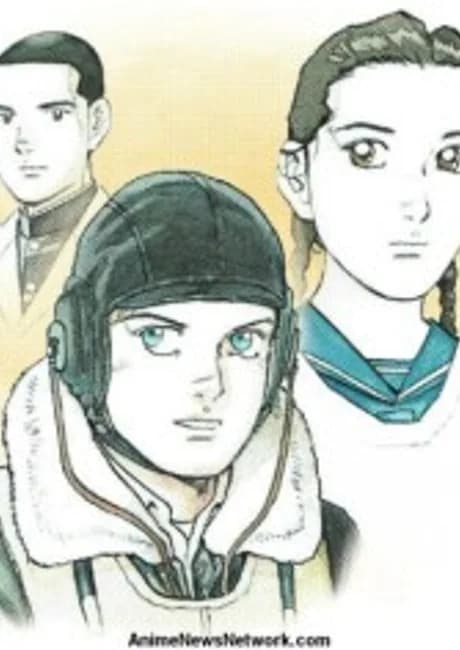
„Hiroshima: The Last Summer Rose”, oparty na książkach Mori, opowie historię amerykańskiego jeńca wojennego i japońskiej studentki pielęgniarstwa, którzy zakochują się w sobie, ale zostają rozdzieleni przez zrzut bomby atomowej. Tytuł pochodzi od irlandzkiej pieśni ludowej „The Last Rose of Summer”, która z kolei jest podstawą słynnej japońskiej piosenki „Niwa no Chigusa”. (Źródło: Wikipedia)
Tłumaczenie automatyczne (AI). Pokaż oryginał
The film is the dying wish of Japanese-American animation director Jimmy Murakami, who passed away in 2004 at 80 years old. Murakami is known for the animated adaptations of When the Wind Blows and The Snowman, both books by Raymond Briggs. During World War II, Murakami was imprisoned at the Tule Lake War Relocation Center internment camp. He had told friends that he wanted his last work to be themed on Hiroshima.
Murakami had wanted the film to be based on the life's work of historian Shigeaki Mori, who has spent more than 40 years gathering details on the 12 U.S. bomber crew members and prisoners of war who were killed during the atomic bombing of Hiroshima in 1945. Mori is himself a survivor of the bombing of Hiroshima, and is the subject of a recent documentary titled Paper Lanterns, which launched digitally and on home video on August 7.
Hiroshima: The Last Summer Rose, based on Mori's books, will tell a story of an American prisoner of war and a Japanese nursing student who fall in love, but are torn apart by the atomic bombing. The title comes from the Irish folk song "The Last Rose of Summer," which is itself the basis for the famous Japanese song "Niwa no Chigusa."
Odcinki
Brak napisów.
- 1Odcinek 10 plików napisów